


For publishing companies, growing a base of loyal blog subscribers isn’t just a numbers game; it’s a strategic move toward building a dedicated, engaged audience that fuels sustainable revenue.
Today, we’re focusing on tactics that drive meaningful engagement and long-term audience retention by creating a blog subscription using Pardot. With a well-structured campaign, you can turn casual readers into subscribers, nurture them into loyal followers, and, ultimately, into customers.
Why Blog Subscriber Campaigns Are Crucial for Publishers
Growing a blog subscriber base is key to creating a long-term, sustainable audience.
Setting up a targeted campaign allows you to more accurately track each initiative’s impact on broader objectives, such as brand reach, customer acquisition, and content monetization.
When properly set up in your ESP (we’ll take a look at Pardot—now known as Salesforce Marketing Cloud—in this article), campaigns can provide a clear view of audience growth and a structure for linking content efforts to revenue.
Let’s take a few common goals you might have for your blog audience:
- “I want to grow my blog audience and convert readers into loyal subscribers.”
- “I want to run a campaign that drives subscribers through exclusive content offers.”
- “I want to see the impact of my blog posts on lead generation and conversions.”
Each of these “I want” statements represents an initiative that could become a campaign in Pardot. By defining these goals upfront, you’re able to measure campaign effectiveness, test new audience segments, and optimize content strategies accordingly.
Here are a few more goals to consider when planning out your blog subscription campaign using Pardot:
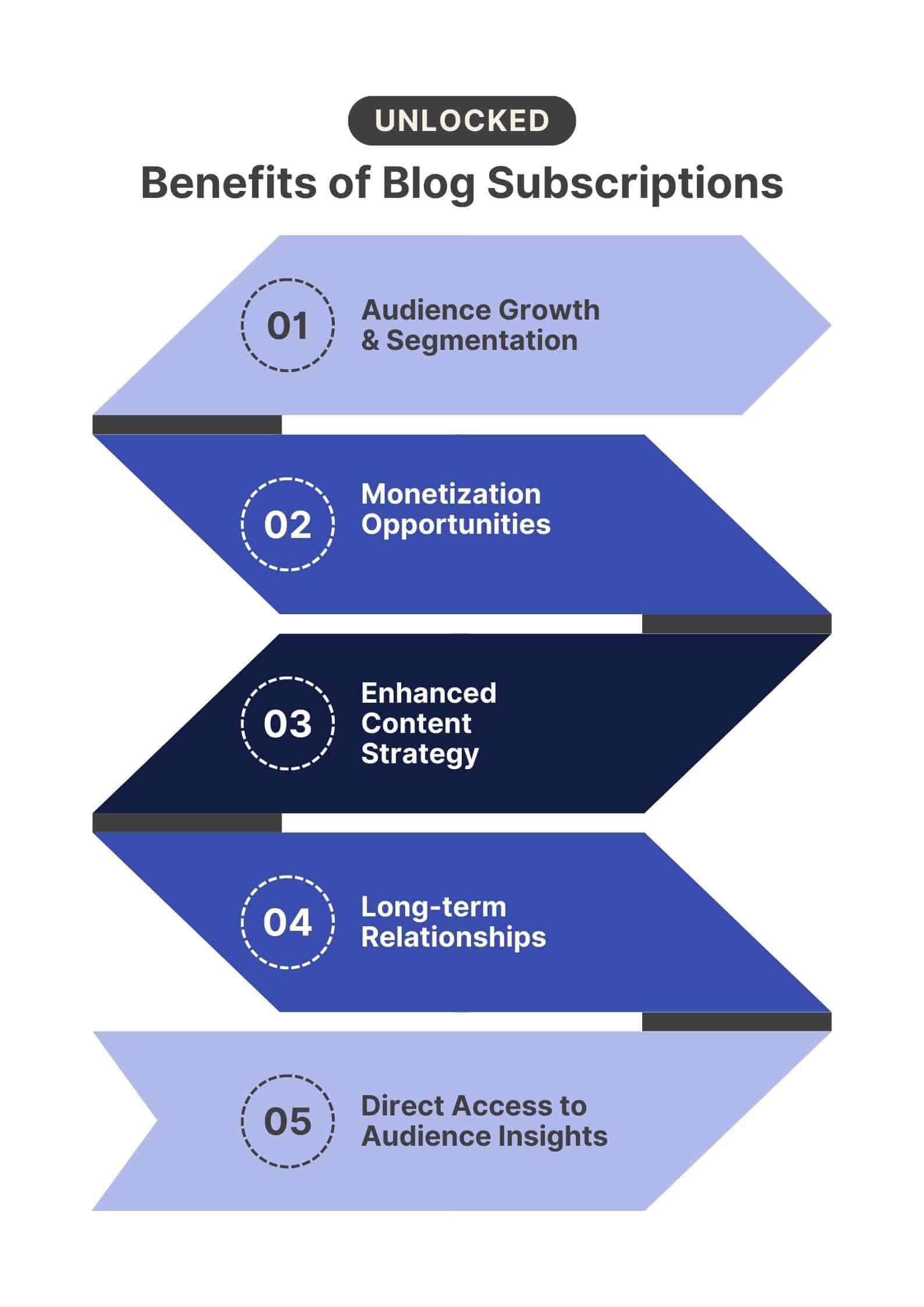
Audience Growth & Segmentation
Blog subscribers are a highly valuable audience segment because they’ve already shown interest in your content. By segmenting these subscribers into different groups, you can deliver personalized content, offers, and messaging that resonate with their specific interests.
Monetization Opportunities
Subscribers represent a revenue opportunity, whether through advertising, sponsored content, paid subscriptions, or product sales. Understanding how your blog subscribers convert into paying customers or subscribers to premium content is vital for evaluating content ROI.
Enhanced Content Strategy
Tracking subscriber behavior and engagement allows you to measure what content resonates the most, which can guide future editorial decisions. You can see which blog posts are attracting the most subscribers, helping you identify themes that are driving interest.
Long-Term Relationships
Subscribers are more likely to stay engaged with your brand over time. Unlike one-time visitors, subscribers are more invested in your content and can become brand advocates, sharing your content with their networks and providing social proof.
Direct Access to Audience Insights
By nurturing a subscriber base, you create a valuable feedback loop. Subscribers often provide higher-quality insights and data points, which can inform everything from product development to event planning.
How to Set Up a Blog Subscription using Pardot
Now that we’ve covered the strategic value of blog subscribers, let’s walk through the technical steps to create a blog subscription using Pardot.
This process will help you organize and measure the effectiveness of your subscriber acquisition efforts.
Step 1: Create a New Blog Subscription Campaign Using Pardot
In your Pardot account, you’ll want to create a new campaign, naming it something specific (like “Blog Subscriber Acquisition”). This campaign will allow you to capture key metrics, such as the number of visitors converting into subscribers and track their progression to closed-won opportunities.
Pro Tip: Consider creating a designated folder for each campaign to help keep your assets organized—particularly useful as you add forms, emails, or lead lists associated with this campaign.
Step 2: Set Up and Align with Your Content Strategy
A campaign should always align with your broader marketing strategy. Here’s how you can make the most out of your blog subscriber campaign:
- Define Clear KPIs: Establish goals for how many new blog subscribers you want to capture each month. Track these numbers and compare them to other metrics such as engagement rates and conversion to paying customers.
- Leverage Cross-Promotion: Use your existing channels (email newsletters, social media, etc.) to promote your blog subscriber campaign. Placing strategic CTAs (calls-to-action) at the end of blog posts or in high-traffic areas can significantly boost conversions.
Step 3: Optimize for Performance Tracking
Once your campaign is running, use Pardot’s reporting tools to monitor its performance. Some of the key metrics to track include:
- Lead Source: Where are your blog subscribers coming from? This insight helps you optimize content distribution and understand which channels are driving the most engaged traffic.
- Subscriber Retention: Evaluate how many subscribers remain engaged with your content. High retention suggests you’re delivering valuable content that keeps your audience interested.
- Conversion Rate: Track how many blog subscribers eventually convert into leads or customers. This data proves the ROI of your blog subscriber campaign and can inform adjustments to your strategy.
Summary
By creating a dedicated blog subscriber campaign using Pardot, you can more effectively capture, nurture, and convert your most engaged readers.
With ongoing optimization and strategic insights, you’ll be able to scale your efforts and maximize the value of your blog subscribers—ultimately driving higher revenue and building a loyal, long-term audience.