
Managing an online content publication brings its own suite of challenges, from effective content distribution to subscriber engagement; sponsorships to performance analytics.
That’s why so many marketers and content publishers have turned to ActiveCampaign, a marketing automation tool that’s famous for its powerful automation and segmentation capabilities that alleviate a chunk of manual work. On its own, ActiveCampaign is an absolute powerhouse—but it also comes with a suite of integration opportunities that allow users to fully customize and amplify their efforts.
Today, we’re taking a deeper dive into a variety of ways you can use this integration opportunity to optimize your workflow and achieve your content publishing goals faster.
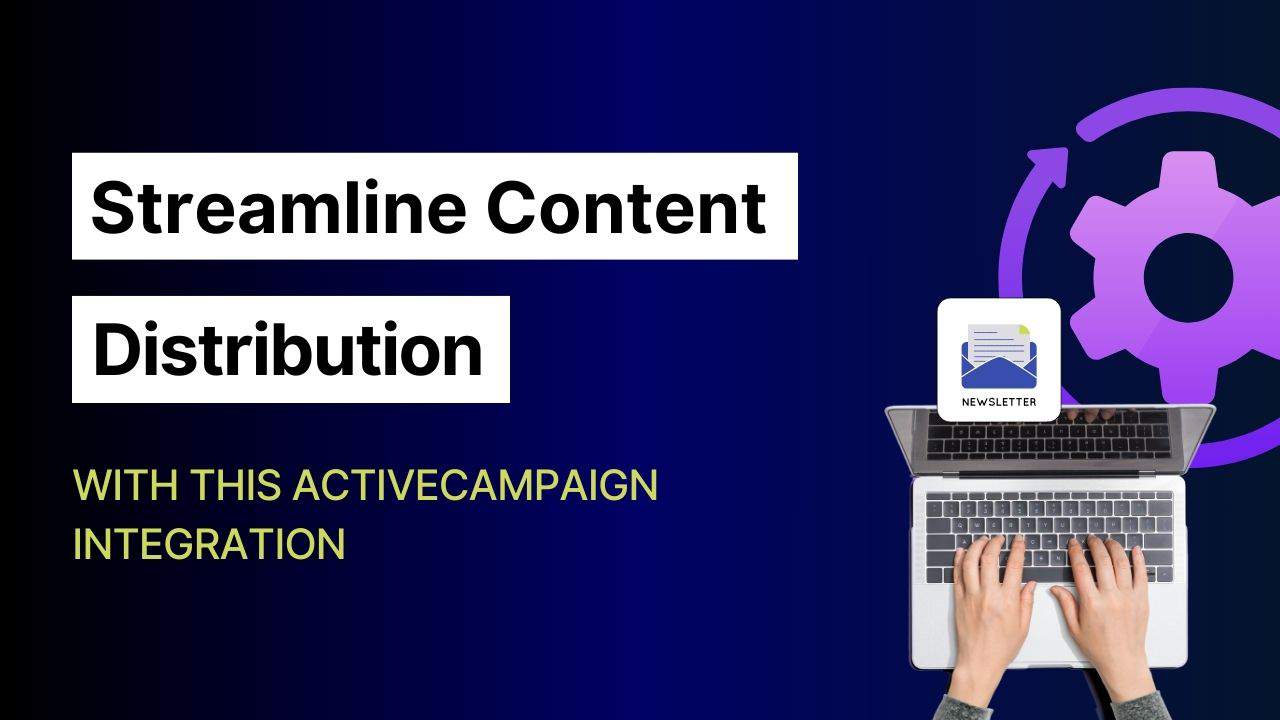
The ActiveCampaign + Feedotter Integration: Smart Automation for Content Distribution
One of the more recent (and long anticipated) ActiveCampaign integrations comes in the form of Feedotter, an email builder that addresses some of the key pain points of content publishers, from smart content curation to automated some of the key tasks for content publishers, from smart curation to automated
No More Manual Copy + Paste
Feedotter takes the manual labor out of content distribution by automating the process of pulling content from your blog, CMS, social media, and podcasts—and pushing the content directly into an ActiveCampaign newsletter.
This means you can effortlessly create and schedule newsletters, email digests, or campaign-specific content, all without having to copy and paste a single line of text.
Increased Efficiency for Busy Teams
Publishing teams often wear many hats, and time is always at a premium. Feedotter eliminates repetitive tasks, streamlining your workflow so you can focus on creating high-quality content. With pre-designed email templates and automated scheduling, your team can reduce production time and spend more energy on strategic initiatives.
Advanced Analytics for Informed Decisions
Feedotter is a powerful email builder that uses ActiveCampaign to send each newsletter, so you can continue using ActiveCampaign’s robust analytics to track email performance metrics like open rates, click-through rates, and conversions.
Scalable for Growing Audiences
Whether you’re managing a niche publication or a large-scale media outlet, the Feedotter-ActiveCampaign duo scales with your needs. It’s designed to handle high-volume publishing while maintaining the same level of efficiency and precision, making it an ideal solution for publishers of any size.
Why ActiveCampaign and Feedotter are a Perfect Match for Email Marketers and Content Publishers
Marketers and publishers face countless challenges: time-consuming manual workflows, difficulty scaling email efforts, and the constant pressure to personalize content for different audiences.
This is where ActiveCampaign and Feedotter shine.
- ActiveCampaign brings segmentation and dynamic content to the table, empowering you to deliver personalized, data-driven emails that engage your audience.
- Feedotter automates newsletter creation, pulling content directly from your blog, CMS, social channels, and more so you can focus on strategy instead of repetitive tasks.
For publishers looking to stay competitive in a crowded content landscape, this dynamic pairing offers the tools you need to engage readers, drive traffic, and achieve measurable results.
6 Email Types That Work Well With ActiveCampaign + Feedotter
Now that we’ve explored why ActiveCampaign and Feedotter are such a powerful duo for publishers and email marketers, let’s dive into the specific types of emails you can create with this integration. Whether you’re looking to engage your audience with automated newsletters or drive traffic to your latest content, this partnership offers a variety of email formats tailored to meet your needs.
Here are the types of email campaigns that we’ll be covering:
- Blog Subscription Email
- Daily Newsletter
- Event Newsletter
- Zero-Click Newsletter
- Webinar Newsletter
- Podcast Promotion Emails
1. Blog Subscription Email
Content distribution is a powerful way to drive traffic and engagement to your website, above and beyond what organic SEO can do. Publishing content on your blog isn’t always enough to achieve the ROI you need to grow. You also need a strong content distribution strategy…which also includes that blog subscription newsletter that you probably set up and perhaps forgot about.
We’ve talked extensively about the value of blog newsletters elsewhere, but should probably take time to emphasize the fact that the goal is not to drive more traffic to your blog. The goal is to build a relationship that helps the subscriber to connect on a deeper level with your company.
Which is why a “blog newsletter” doesn’t have to be just that…
Tips for Building an Engaging Blog Newsletter
- Start with a hook, using the subject line and preview text to pique interest. Phrases like “New insights on TOPIC you can’t miss” or “Discover KEY TAKEAWAY in our latest blog post” can encourage opens.
- Provide a teaser by highlighting the key points or takeaways from the blog post. You can also share a thought-provoking quote, a surprising statistic, or a brief summary that leaves the reader wanting more.
- Keep the text sections short and focused on driving clicks.
- Include a clear and visually appealing CTA like “Read the Full Article” that links directly to the blog post. You can also add a snippet or preview of the post to spark curiosity.
- Encourage engagement by prompting subscribers to share the blog with others, comment on the post, or follow your blog for future updates. Remind them to subscribe if they haven’t already.

2. Daily Newsletter
Daily newsletters can be a powerful way to keep your audience engaged, but their success hinges on relevance and consistency. The primary goal of a daily newsletter is to deliver valuable, easily digestible content that becomes a staple in your subscribers’ routines. Think of it as a curated snapshot of your best insights, tailored to fit into their busy lives.
To achieve this, focus on creating a balance between variety and focus. Your daily email should contain enough compelling content to capture attention—without overwhelming the reader.
For example, your newsletter might feature a blend of new articles, trending topics, quick tips, or even a motivational quote to set the tone for the day. The key is to build a connection that keeps subscribers looking forward to the next edition.

Tips for Engaging Daily Newsletters
- Tailor the content based on user preferences or behavior, like favorite topics or most-read categories.
- Set up your Feedotter integration to pull blog posts from your CMS, or you can fully automate the email send using one or more RSS feeds.
- Use ActiveCampaign’s personalization tags to include recipients’ names or tailor content based on past behavior.
- Prioritize mobile-friendly designs, as many users check daily emails on their phones.
3. Event Newsletter
Events are a critical touchpoint for businesses, offering unparalleled opportunities for direct engagement, lead generation, and brand building. However, the success of an event often hinges on how well it’s marketed—and email is a cornerstone of that strategy.
An event newsletter serves as more than just an invitation; it’s a vehicle for generating excitement, answering questions, and convincing potential attendees of the event’s value. A well-crafted event email can establish urgency, highlight key benefits, and offer a clear path to registration.
When crafting your event newsletter, aim to make the email a mini preview of the event itself. Include a compelling subject line to grab attention, clear details on the event’s value (e.g., key speakers, agenda highlights, or networking opportunities), and a strong CTA to register or learn more.
Tips for Effective Event Newsletters
- Keep the email simple with an ultra-clear RSVP button and scannable text.
- Target only those in relevant locations or industries to increase relevance and attendance.
- Use eye-catching graphics to highlight speakers and important event details.
- Plan on sending out multiple event reminders to stay top of mind with a busy audience.
4. Zero Click Newsletter
Zero click marketing is a term that’s gaining a lot of traction in the industry, thanks to Rand Fishkin and Amanda Natividad’s work over at SparkToro. Zero click marketing acknowledges the fact that platforms are increasingly intended to be a self-contained ecosystem. Brands must deliver content that informs and engages within the platform, without relying on the linking strategy that’s been somewhat standardized up until this point.
In the newsletter world, we’re seeing an increased interest in zero click newsletters (looking at you, Substack), reflecting a shift in how people consume content online. This model, championed by platforms like Patreon, Substack, etc., allows readers to extract value directly from the email itself, which in turn fosters trust, loyalty, and higher engagement rates.
Unlike traditional newsletters designed to drive clicks to a website, a zero click newsletter focuses on delivering high-quality, standalone content. This could be a full article, curated insights, or actionable tips that resonate with your audience’s needs. The key is to make the email so valuable that it becomes a must-read in their inbox.
From a business perspective, zero click newsletters are excellent for brand building and nurturing long-term relationships. By providing immediate value without requiring additional effort from the reader, you position your brand as an authority and a trusted resource.
You might notice CTR rates dropping when you switch to zero click emails (because…obviously). A better success metric to focus on could be an increase of open rates over time (or an increase in multiple email opens), as your subscriber base adjusts to the new content style.
Tips for Successful Zero Click Newsletters
- Use a clean, minimalist template without visual distractions that would hinder a reading experience.
- Include large, bold headlines and readable typography to make the newsletter stand out.
- Incorporate Links Strategically: Use buttons and hyperlinked text sparingly to keep readers focused on the email content itself.
- Experiment with conversational tones to build a connection with readers.
5. Webinar Email
Webinars are a goldmine for lead generation, thought leadership, and audience engagement, but their success heavily depends on your promotional efforts. A well-designed webinar email not only drives registrations but also ensures attendees are primed and excited for the event.
Email is the backbone of webinar promotion because it allows you to target specific segments of your audience with a personalized invitation. Whether it’s highlighting the topic’s relevance, showcasing an expert speaker, or emphasizing key takeaways, your email sets the tone and expectation for the webinar.
Tips for Effective Webinar Email Invites
- Use urgency in your subject line (e.g., “Seats Filling Fast!”).
- Include a sneak peek of what attendees will learn.
- Highlight key details like the webinar topic, date, time, and speakers at the top of the email.
- Add a clear registration CTA to make it easy for subscribers to sign up.
- Set up reminder emails for registrants leading up to the event—and a follow-up email for those who didn’t attend.
6. Podcast Promotion Email
Podcasts are a powerful medium for building thought leadership, fostering deeper audience connections, and sharing valuable insights. However, with millions of podcasts competing for attention, effective promotion is critical. Email marketing offers the perfect channel to amplify your podcast, driving both listens and long-term subscriber growth.
A podcast email should do more than just announce a new episode—it needs to intrigue, entice, and convert casual recipients into loyal listeners. Your goal is to demonstrate the value of the episode while making it easy for subscribers to take the next step, whether that’s hitting play, subscribing, or sharing the podcast with others.
Tie your email content to business objectives by emphasizing how the podcast supports your broader goals, such as increasing brand authority, driving leads, or engaging a specific segment of your audience. For example, a podcast episode featuring an industry expert can reinforce your brand’s expertise and help attract decision-makers in that niche.
Tips for Effective Podcast Emails
- Start with a Hook: Use the subject line and preview text to generate curiosity. Phrases like “Don’t miss our chat with [Industry Leader]” or “Unlock the secrets to [Topic]” can drive opens.
- Provide a Teaser: In the body, share the episode’s highlights. Include key questions discussed, actionable takeaways, or a standout quote from the episode.
- Make it Easy to Listen: Incorporate a prominent CTA button like “Listen Now” that directs readers to their preferred podcast platform. You can also embed a web player link for instant listening.
- Encourage Engagement: Prompt recipients to share the podcast, leave a review, or subscribe for updates on future episodes.
- Leverage Automation: Use ActiveCampaign to set up a sequence of promotional emails for new episodes. Feedotter can pull dynamic content, like episode summaries or links to related blog posts, to enrich your emails.
- Personalize the Experience: Segment your audience based on interests or past episode engagement to recommend the most relevant content.
- Cross-Promote: Highlight related content, such as blog posts, whitepapers, or webinars, to maximize engagement and reinforce the topic’s value.
- Build Anticipation: If your podcast follows a series format, use email to tease upcoming episodes or feature guest reveals.
By weaving storytelling, engagement, and clear CTAs into your podcast email strategy, you can transform passive subscribers into loyal listeners while reinforcing your brand’s authority in your field.
Key Takeaways
ActiveCampaign and Feedotter are a powerful combination that can transform your content distribution and email marketing efforts. From creating automated newsletters to crafting engaging webinar or podcast promotions, these tools help you save time, connect with your audience, and achieve measurable results.
Ready to take your content distribution email game to the next level? Try the Feedotter and ActiveCampaign integration today!